Avionics Safety Critical Training: Ensuring High Standards in Aviation
- elizabethjngmcdona
- Jul 28, 2023
- 2 min read
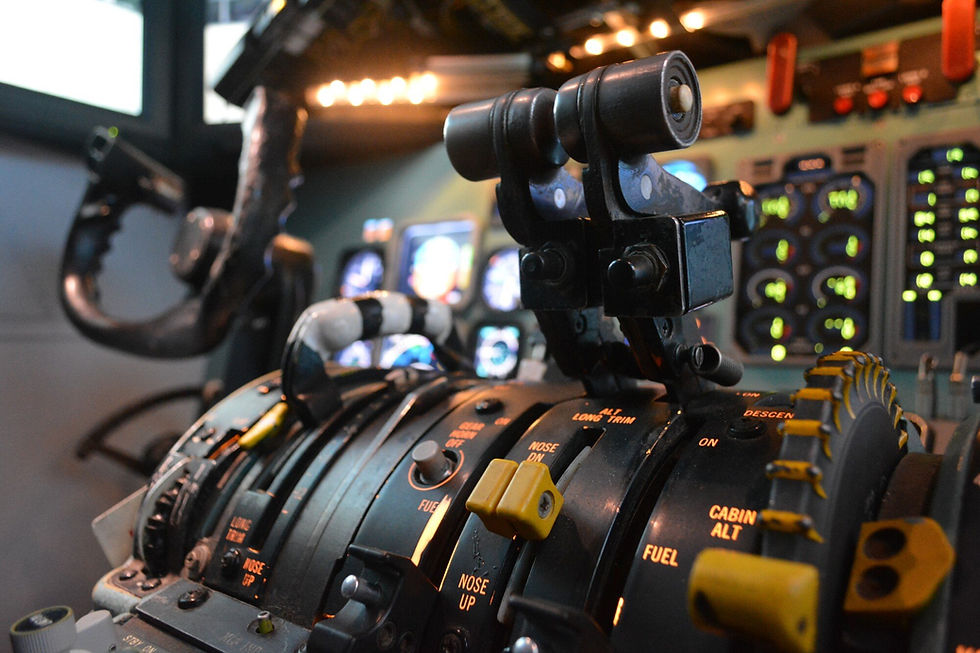
Aviation is an industry that demands the utmost precision and safety in every aspect. From the design and manufacturing of aircraft to their operation and maintenance, every step involves rigorous protocols to ensure the safety of both passengers and crew. Within this intricate system, one crucial area that requires specialized attention is avionics. The do-178 training plays a vital role in enhancing the reliability and efficiency of avionics systems, and it is paramount for professionals in this field to receive comprehensive training. In this article, we will delve into the importance of avionics safety critical training and its impact on ensuring high standards in aviation.
Avionics systems encompass a wide range of electronics and computer-based systems that are essential for the safe operation of an aircraft. These systems include flight control systems, navigation systems, communication systems, weather radar, and more. Given their critical role, any malfunction or failure in avionics systems can have severe consequences, potentially compromising the safety of the aircraft and its passengers.
Avionics safety critical training is designed to equip professionals with the necessary skills and knowledge to identify, manage, and mitigate risks associated with avionics systems. The training covers various aspects, including system architecture, software development, safety standards and regulations, maintenance and troubleshooting, and more. It helps aviation professionals understand the potential failure modes of avionics systems and the methods to prevent or address them.
One of the core objectives of avionics safety critical training is to ensure compliance with safety standards and regulations set by aviation authorities such as the Federal Aviation Administration (FAA) or the European Union Aviation Safety Agency (EASA). These standards, such as RTCA DO-178C for software and DO-254 for hardware, provide guidelines for the design, development, and certification of avionics systems. Training helps professionals understand and implement these standards effectively, ensuring that avionics systems meet the required safety levels.
Moreover, avionics safety critical training also hones the skills of aviation professionals in analyzing, evaluating, and managing risks associated with avionics systems. This includes conducting safety assessments, defining safety requirements, performing hazard analyses, and implementing safety measures. By understanding the inherent risks and vulnerabilities of avionics systems, professionals can make informed decisions, implement effective safety strategies, and ensure continuous improvement.
In conclusion, the do-178 training is an essential component of maintaining high standards in aviation. By equipping professionals with the necessary knowledge and skills, this training ensures that avionics systems are designed, developed, and operated with the utmost safety and reliability. With the continuous advancements in avionics technology, keeping up with the latest training and best practices is crucial for professionals to adapt to new challenges and ensure the continued safety of the aviation industry. You can get more enlightened on this topic by reading here: https://en.wikipedia.org/wiki/Civil_aviation.


Comments